
Beating the 3pm Slump with Active Layouts and Circadian Lighting

Most people are familiar with the afternoon slump where energy levels dip, concentration becomes harder to maintain, and tasks that felt manageable in the morning can suddenly seem more demanding. While many people reach for another coffee, the reality is that workplace design can have a significant influence on how people feel and perform throughout the day.
As organisations continue to focus on employee wellbeing, productivity and workplace experience, there is growing recognition that the environment plays an important role in supporting both physical and mental performance.
Two areas that are receiving increasing attention are active workplace layouts and circadian lighting. When thoughtfully integrated into workplace design, both can help create environments that support energy, focus and wellbeing throughout the working day.
Understanding the Afternoon Energy Dip
The afternoon slowdown is not always a result of a busy morning or a lack of motivation. Human energy levels naturally fluctuate throughout the day due to our internal body clock, known as the circadian rhythm.
Circadian rhythms regulate many biological processes, including sleep, alertness, hormone production and body temperature. These natural cycles are influenced by exposure to light, movement and our surrounding environment. In many workplaces, employees spend long periods sitting at desks under static artificial lighting with limited exposure to natural daylight. Over time, this can contribute to reduced alertness, lower energy levels and increased fatigue, particularly during the mid-afternoon period.
While workplace design cannot eliminate natural energy fluctuations entirely, it can help create conditions that support better engagement and comfort throughout the day.
The Role of Circadian Lighting
Traditional office lighting has typically been designed with one primary objective: providing enough illumination for people to complete their work safely and comfortably.
However, advances in workplace design have led to a greater understanding of how light influences wellbeing and performance. Circadian lighting aligns artificial lighting with natural daylight patterns. During the morning, brighter and cooler light can help promote alertness and concentration, then as the day progresses, lighting can gradually become warmer and softer, supporting a more natural transition towards the end of the working day. The goal isn’t to replicate sunlight exactly, but to create a lighting environment that better supports the body’s natural rhythms.
Alongside artificial lighting strategies, maximising access to natural daylight remains one of the most effective ways to support employee wellbeing. Workplace layouts that allow daylight into the space can help improve comfort, reduce fatigue and create a more positive working environment.
This is why many modern workplace design projects prioritise open sightlines, glazed partitions and careful space planning to ensure natural light reaches as many areas of the workplace as possible.
Putting These Principles into Practice
At Cobus, these principles are often incorporated into workplace projects to support employee wellbeing and performance. For example, the workplace created for DNV in Bristol was designed around flexibility, wellbeing and sustainability, with open layouts and access to natural light helping to create a bright and energising environment.
Similarly, the design for MAN Financial Services UK focused on creating a variety of work settings, including collaborative areas, breakout spaces and quiet zones, giving employees greater choice over how and where they work throughout the day.
While every organisation has different requirements, both projects demonstrate how thoughtful workplace design can support comfort, engagement and productivity.
Encouraging Movement Through Active Layouts
Lighting is only part of the equation and the way a workplace is organised can also influence employee energy levels, engagement and wellbeing.
For many office workers, prolonged periods of sitting have become a normal part of the working day. While focused desk work remains essential, there is growing awareness of the benefits of incorporating movement into everyday workplace routines. Active workplace layouts are designed to encourage natural movement throughout the day without disrupting productivity.
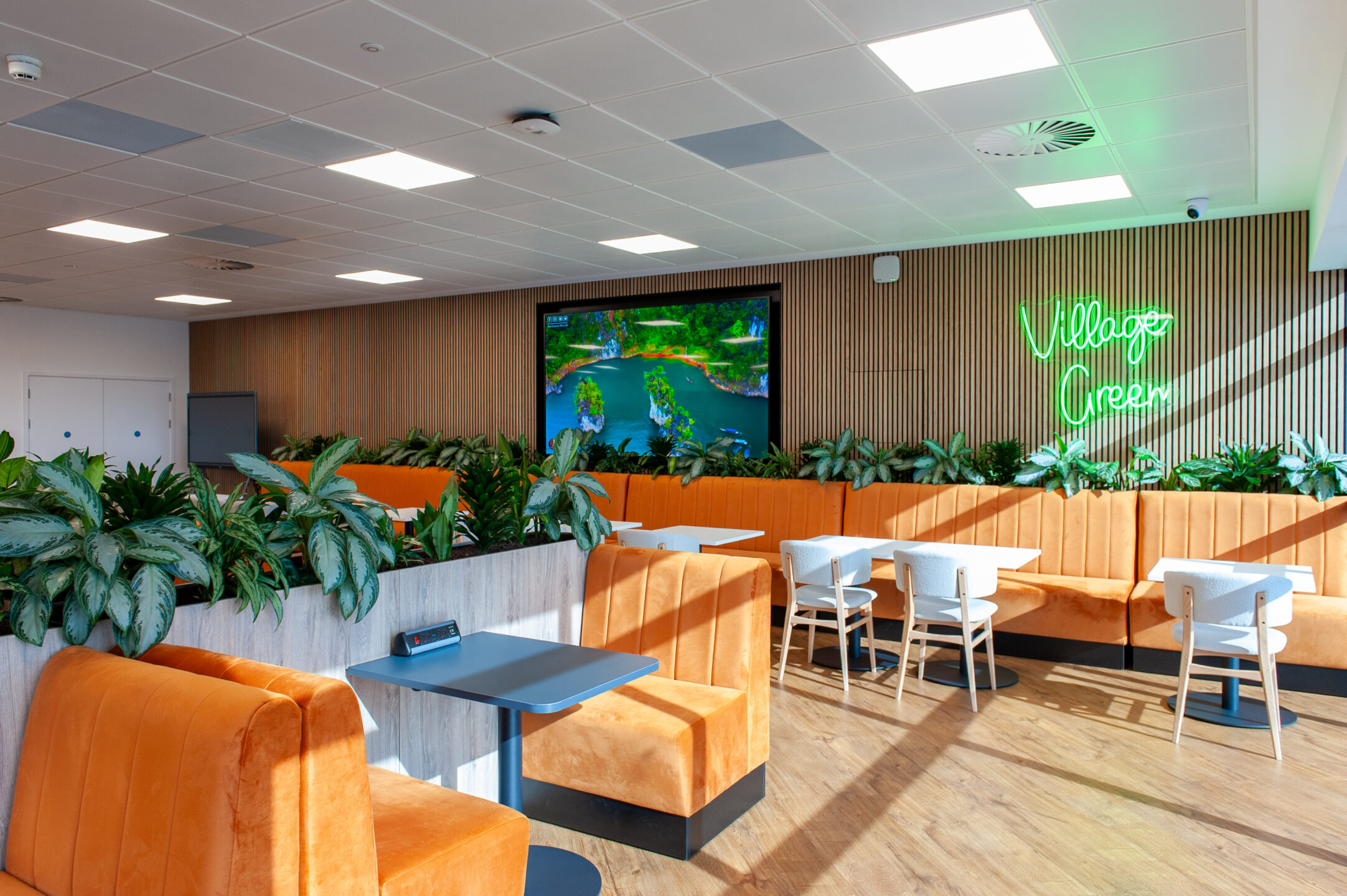
Rather than assigning all activities to a single workstation, modern workplaces often provide a variety of settings that support different tasks and working styles.
This may include:
- Collaboration spaces for team discussions
- Informal breakout areas
- Quiet focus zones
- Meeting rooms of varying sizes
- Touchdown spaces for short-term tasks
- Social and wellbeing areas
By creating a diverse workplace environment, employees are encouraged to move between spaces as their activities change throughout the day. These small movements can help break up periods of inactivity and contribute to greater engagement and alertness.
Active layouts such as these providing employees with choice and create a workplace that supports a wider range of working behaviours and needs.
Designing for Different Work Styles
Every employee experiences the working day differently. Some people may feel most productive during the morning, while others perform better later in the day. Some thrive in collaborative environments, while others require quiet spaces for focused work. Successful workplace design recognises these differences and provides flexibility to accommodate a range of needs.
This is particularly important as organisations continue to focus on inclusivity and employee experience. By providing a variety of spaces, lighting conditions and workplace settings, businesses can create environments that better support diverse working styles and individual preferences.
Rather than designing around a single way of working, organisations are increasingly creating workplaces that offer employees greater control over how and where they work throughout the day.
The Bigger Picture: Workplace Design and Wellbeing
The conversation around workplace wellbeing often focuses on policies, benefits and employee support programmes. While these initiatives are important, the physical environment should not be overlooked.
The spaces people work in every day can influence how they feel, interact and perform. Factors such as lighting, acoustics, air quality, layout and access to different working environments all contribute to the overall workplace experience.
When considered together, these elements can help create workplaces that support employee wellbeing, encourage collaboration and improve long-term engagement.
For organisatians looking to attract and retain talent, workplace design is increasingly becoming a strategic consideration rather than simply a facilities decision.
Creating Workplaces That Work Better
There is no single design feature that will eliminate the afternoon slump altogether. However, thoughtful workplace design can help create environments that better support the people using them.
By combining access to natural daylight, intelligent lighting strategies and layouts that encourage movement and flexibility, organisations can create workplaces that help employees feel more comfortable, engaged and productive throughout the day.
As expectations around workplace experience continue to evolve, designing for wellbeing is no longer a nice-to-have. It is becoming an essential part of creating workplaces that perform effectively for both people and organisations alike.