
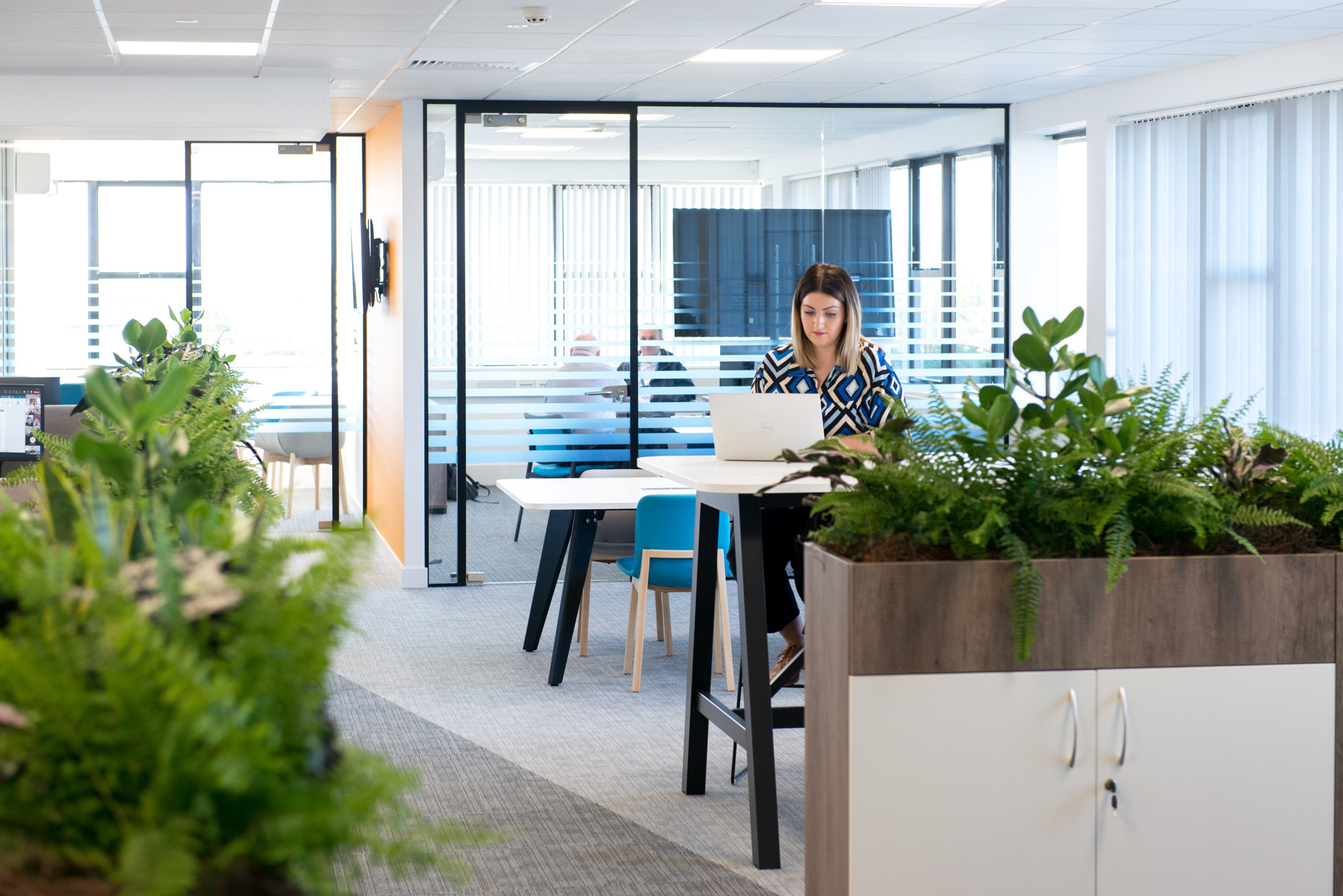
How Workplace Strategy Can Improve Employee Productivity

Every ambitious organisation understands that employees’ performance is directly tied to the environment and culture in which they work. The design of an office is all part of your well-considered workplace strategy, as it encapsulates the policies and processes behind the driving force for success.
When created as part of a partnership, taking on board the thoughts and ideas of your team members, your management board and the professional advice of a design company such as Cobus Spaces, you’re aiming to achieve the full potential of your workforce. The numbers tell the story. Research from the World Green Building Council shows that organisations that focus on work environments and prioritise well-being and performance see up to 12% increased productivity.
In fact, billions of pounds could be added to the UK economy by improving employee productivity by a small amount. As we’re entering a new phase of elevating the workplace, companies are looking at ways to boost employee engagement, enhance collaboration, and, importantly, ensure long-term employee satisfaction so that you have a team who are loyal and want to put the best interest of the company first.
What Is a Workplace Strategy?
A Workplace Strategy is not simply about moving furniture around or picking new finishes for the office. Nowadays, it’s much more than that. It’s a holistic approach that puts people, place and process at the heart of the organisation for your overall wider goals.
When looking at your current office or vision for a future one, think about how space is used. What do your team members need to succeed? How do policies cater for flexible work or remote work so that they can be integrated to support not just work-life balance, but business outcomes too? As a foundation, a workplace strategy is about supporting employees so that they feel empowered instead of restricted, in an environment where they can truly flourish.
A workplace strategy is more than traditional office design that looks nice. It’s one that is built on evidence. Take a look at the data on how people work, where inefficiencies lie, and what kind of spaces people achieve outstanding results and fantastic outcomes. A workplace where people feel motivated, engaged and able to deliver their best is a great blueprint for many.
Why It Matters for Productivity
It’s easy to see the correlation between environment and output as an office is no longer restricted to desks and silos. Time and time again, studies are consistently showing that well-designed work environments focus on the right balance of focus areas, collaborative zones and breakout spaces to propel improved productivity and stronger morale.
A thoughtful workplace strategy does more than improve efficiency. It also helps in improving employee engagement, strengthening retention and reducing absenteeism. When businesses focus on supporting employees, they naturally foster a culture of trust and innovation, one where team members are not only more effective but also more loyal.
For ambitious organisations, this creates a ripple effect. Improved morale leads to increased productivity, which fuels profitability and employee growth. Everyone is a winner here and demonstrates why investing in workplace strategy is both a business decision and a people-focused one.

Key Components of a Workplace Strategy That Drive Productivity
Physical Design and Flexibility
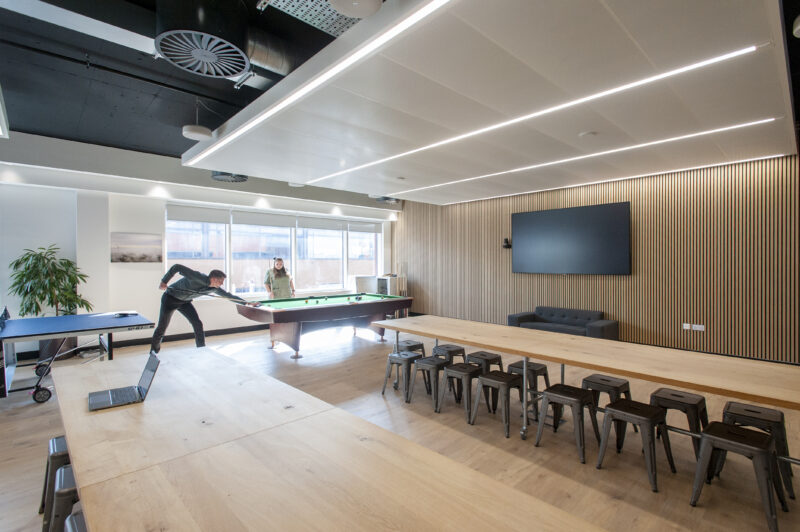
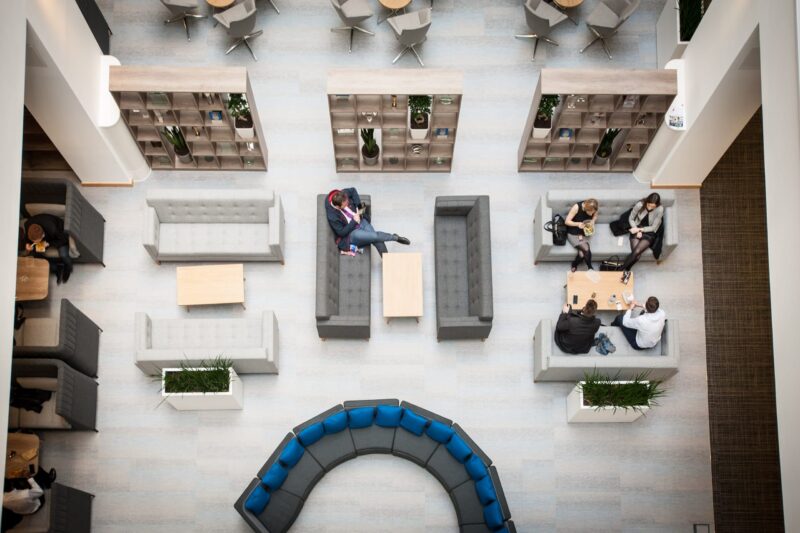
Being able to adapt is essential for all modern work environments. Employees need dedicated spaces to fulfil their role, which consists of both teamwork and individual objectives. This includes quiet spaces for concentration, collaborative hubs, and informal zones for creative thinking and brainstorming. By offering choice, organisations deliver enhanced employee performance and unlock improved productivity.
This ability to adapt means that you’re also open to change and innovation. The prospects of new projects, new teams and even new business models on the horizon. A workplace that’s actively encouraging employees to experiment and stay agile.
Technology and Hybrid Functionality
Hybrid collaboration and technology are the backbone of remote work, a policy which is here to stay. That’s why seamless connectivity allows employees to share knowledge, share ideas, and share in the delivery of results, regardless of whether they’re in the office or working from home.
Video conferencing, project management tools, and cloud-based solutions are all worth investing in because they are the platforms that will help you succeed by removing barriers and helping everyone to work at their full potential. Yes, it boosts employee efficiency, but also strengthens engagement.
Flexible Work Policies
Whilst space is important, policies also matter. By embedding flexible work models such as flextime or results-only work environments (ROWE), businesses demonstrate trust. This creates higher levels of employee satisfaction and reinforces work-life balance. Flexibility sends a powerful message in that the organisation is supporting employees by not forcing them into rigid structures. Thereby spearheading high-performing teams and workers.
Well-being and Mental Health Support
People feel more engaged when their mental and physical health is prioritised. That means investing in natural light, ergonomic furniture, quiet zones, and wellness programmes.
These features don’t just improve comfort, they actively contribute to improving employee productivity by reducing stress. A workplace that values health is a workplace where employee growth is sustainable.
Culture of Collaboration and Communication
Perhaps the most overlooked element of workplace strategy is culture. Spaces, tools and technology can only do so much. Organisations also need to develop a culture of openness, trust, and collaboration.
Team members want to feel encouraged to share ideas, contribute, connect, and feel like they belong because their contributions matter. In return, businesses see improved productivity and stronger pipelines filled with innovative spirit.