
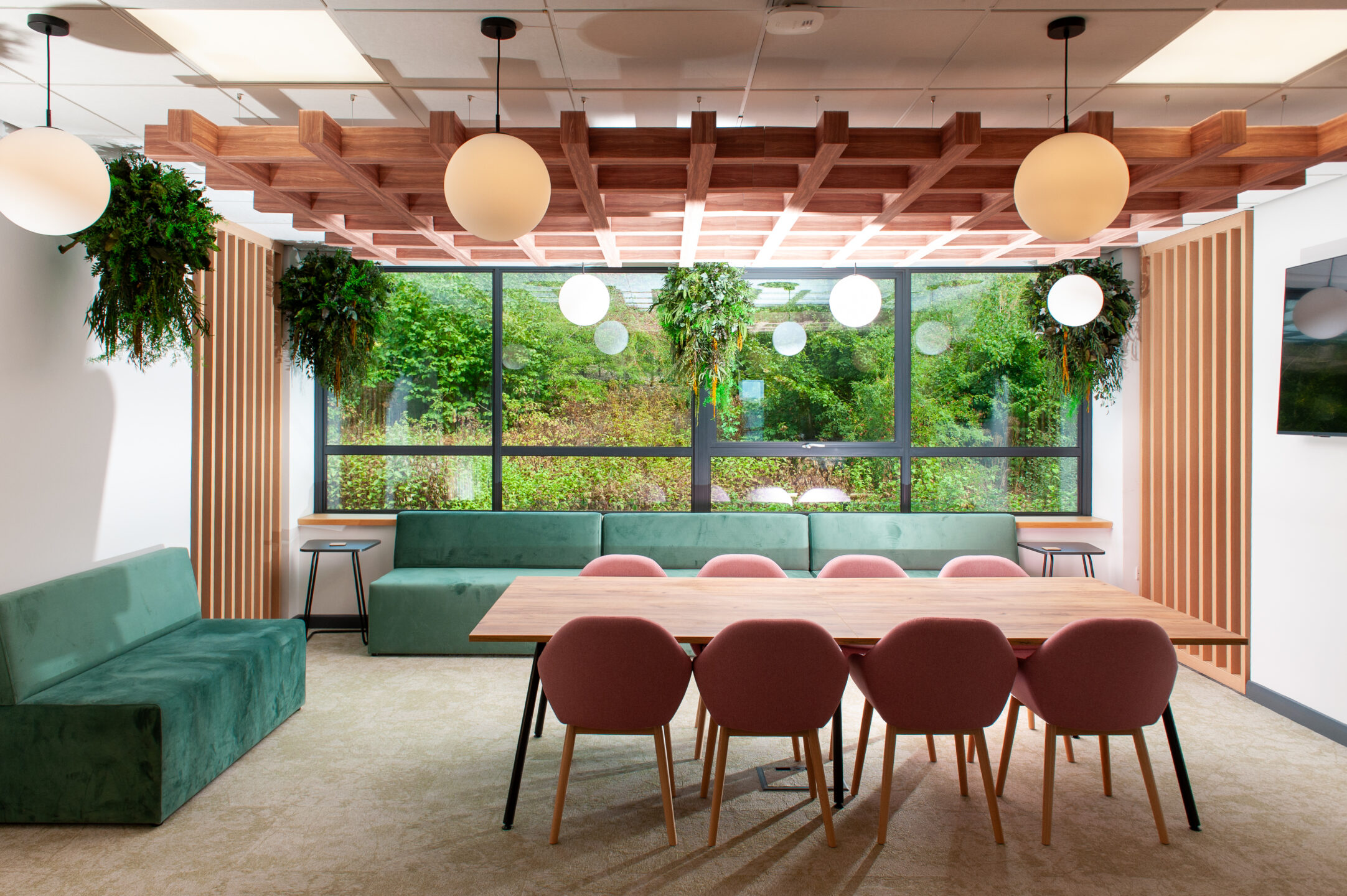
Coworking Space Design and The Growing Hospitality Influence
Hybrid working has given people greater flexibility and choice over where and how they work. While working from home offers convenience for many, there is still considerable value in sharing a physical workspace with others, whether for collaboration, professional networking or simply the social interaction that comes from being around other people.
This has created new opportunities for coworking operators, with growing interest in spaces that combine the functionality of a professional workplace with the comfort and atmosphere of hospitality environments. From café-style lounges and informal meeting areas to collaborative workspaces and private offices, hospitality is having an increasing influence on coworking space design, creating environments that support productivity while encouraging a sense of community.
Why hospitality is influencing coworking space design
Hospitality environments are carefully designed around the human experience. Lighting, furniture, materials, acoustics and layouts all contribute to creating a particular atmosphere, whether that’s the relaxed surroundings of a neighbourhood café or the welcoming environment of a hotel lounge. These comfortable spaces are designed to encourage people to stay for prolonged lengths of time and increase spend.
These principles translate naturally into coworking spaces, where people may spend several hours a day working independently, meeting clients, collaborating with colleagues or interacting with other members.
A well-designed coworking environment needs to accommodate all these activities while providing a consistent and welcoming experience. Comfortable lounges, informal meeting areas, café-style seating and carefully considered finishes can help create a more relaxed atmosphere, while dedicated workstations, private meeting rooms and reliable technology ensure the space remains practical for professional use.
The hospitality influence also extends to the way spaces are managed. A welcoming arrival experience, good-quality refreshments and opportunities for members to connect can all contribute to the overall appeal of a coworking environment. For operators, these details can help establish a distinctive identity and create an experience that encourages members to return.
The changing needs of hybrid workers
The growth of hybrid working has influenced expectations of the physical workplace and for employees who divide their time between home and the office, flexibility is an important consideration. However, working remotely can also mean fewer opportunities for spontaneous conversations, professional networking and the social interactions that naturally occur when people share a workplace.
Coworking spaces can help provide that connection by offering an alternative environment for people who may not need a permanent office but still value access to professional facilities and a community of other working professionals.
This is particularly relevant for freelancers, entrepreneurs, small businesses and hybrid employees looking for somewhere to work closer to home.
The challenge for coworking operators is creating an environment that supports productivity while encouraging the interaction and collaboration that many users are seeking. Thoughtful coworking space design can help achieve this balance by providing different settings for different activities, allowing members to move between focused work, informal conversations and collaborative sessions throughout the day.
Creating spaces that encourage community
One of the defining characteristics of hospitality-led coworking is the emphasis placed on community. Shared spaces provide opportunities for people from different businesses and professional backgrounds to meet, exchange ideas and develop relationships.
A communal table might encourage an informal conversation over coffee, while a comfortable lounge can provide somewhere for users to take a break or discuss a project. Flexible event spaces can also accommodate workshops, networking sessions and community activities, helping operators bring people together beyond their everyday working routines.
The layout of a coworking space can influence how naturally these interactions happen. Positioning social areas along frequently used routes, providing welcoming communal spaces and creating opportunities for informal meetings can encourage interaction without disrupting those who need to concentrate.
Equally important is recognising that members have different preferences. Some may enjoy working in lively, sociable surroundings, while others require quieter environments for focused tasks or confidential conversations. So successful coworking spaces provide choice, with a variety of settings that accommodate both individual work and shared activities.
Balancing comfort with functionality
While hospitality-inspired interiors can make coworking environments more appealing, practical considerations are essential.
People need comfortable places to work for extended periods, with appropriate furniture, lighting, connectivity and access to power. Meeting rooms require suitable technology and acoustic privacy, while collaborative spaces need enough flexibility to accommodate different group sizes and activities.
Acoustic considerations are particularly important in environments where social and professional activities take place alongside one another. The sound of conversations, meetings and café activity can contribute to a lively atmosphere, but careful zoning and acoustic treatments are needed to prevent excessive noise from affecting concentration.
Durability and maintenance also influence design decisions. Coworking spaces often experience high levels of daily use, making the selection of furniture, finishes and materials important for long-term performance.
By considering these requirements from the outset, operators can create environments that combine the appeal of hospitality with the functionality expected of a professional workplace.
Coworking space design in practice
An example of this community-focused approach is Patch, a flexible workspace at The Forum in Gloucester.
Cobus completed the fit-out of the 17,000 sq ft flagship workspace, transforming a shell-and-core space into a fully operational environment designed for creatives, entrepreneurs, small businesses and local organisations.
The completed space brings together hot-desking facilities, collaboration zones, meeting rooms and informal social areas, providing a variety of settings to support different working styles while encouraging connection and community. Working closely with the Patch team, Cobus delivered the project through its established four-stage methodology, meeting an ambitious programme with a fixed opening date.
Patch demonstrates how considered workplace design can bring together professional facilities and opportunities for social interaction, creating a flexible environment that supports both individual productivity and a wider working community.
Read more about the full Patch project here.
The future of hospitality-led coworking
As the coworking sector continues to evolve, the experience offered by a workspace is likely to remain an important consideration for operators and users alike.
Hospitality-inspired design provides opportunities to create environments that feel welcoming, encourage collaboration and support a greater variety of working styles.
For operators, this means thinking carefully about how their spaces are used throughout the day, how workers interact, and which facilities will provide the greatest value.
The most effective coworking environments bring these considerations together through thoughtful space planning, flexible layouts and an understanding of the people who will use them.
As hybrid working continues to influence where and how people work, coworking space design will play an important role in creating places that people actively choose to use, supporting productivity, professional relationships and a stronger sense of community.