
How to Improve Flexibility through Strategic Office Design Layout

The pandemic has changed the way in which people work. Office space isn’t just a place to sit anymore, it’s expected to adapt, support wellbeing, and fit around changing work styles.
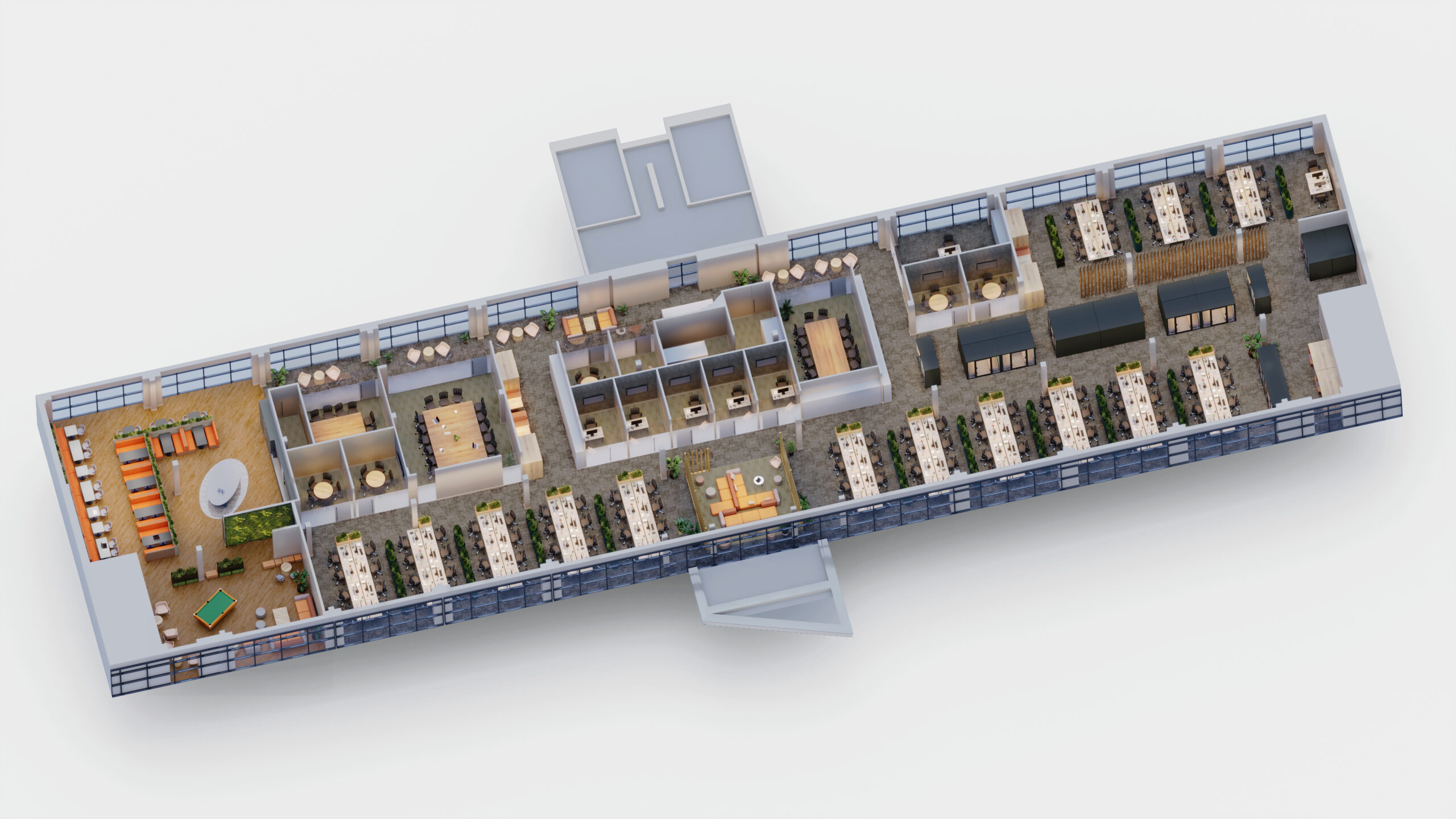
For many businesses, that means looking at how the layout functions, not just how it looks. A well-planned strategic office design layout helps create spaces that respond to people’s needs and support flexible working.
Why Flexibility Matters in the Modern Workplace
In recent years, flexibility has become central to how organisations think about their office environment. Hybrid working models are now part of everyday life, which means office layouts can’t follow a one-size-fits-all approach. Something that worked five years ago might feel outdated today, and modern employees want spaces that can adapt to their particular needs and requirements.
A flexible office gives people more control over how they work. It supports a mix of needs, from quiet zones for focused tasks to open areas that encourage quick collaboration. These aren’t just nice touches, they’re essential features in today’s workplace design strategy.
More than that, flexibility helps businesses respond faster to change. Whether you’re onboarding new team members, reshuffling departments, or adjusting to new workflows, having a flexible working setup means fewer roadblocks. When spaces can shift with your needs, the whole company moves more freely.
What is Strategic Office Design Layout?
Every office has its own way of working. Some move fast, others need quiet corners and breathing space. Strategic office design layout is about shaping that environment with purpose so the space fits the work, not the other way around.
It isn’t just choosing where furniture goes. It’s a process that looks closely at how teams use their space day to day. Who needs room to focus? Where do conversations happen? Are people bumping into each other or not seeing each other at all? It’s less about filling a room and more about building something that actually supports what happens inside it.
That might mean introducing zones that shift between tasks. It could involve modular desks, partitions that move, or open areas that flex depending on who’s using them. The details vary, but the thinking stays the same: design should respond to the way people work.
Key Features of a Flexible Office Design
Modular furniture & movable partitions
Modular furniture allows spaces to shift as needs arise. Tables can be arranged for group sessions or separated for quiet tasks. Movable partitions offer privacy or openness, depending on what’s happening that day. These elements support ongoing change without requiring full-scale alterations.
Multi-use areas
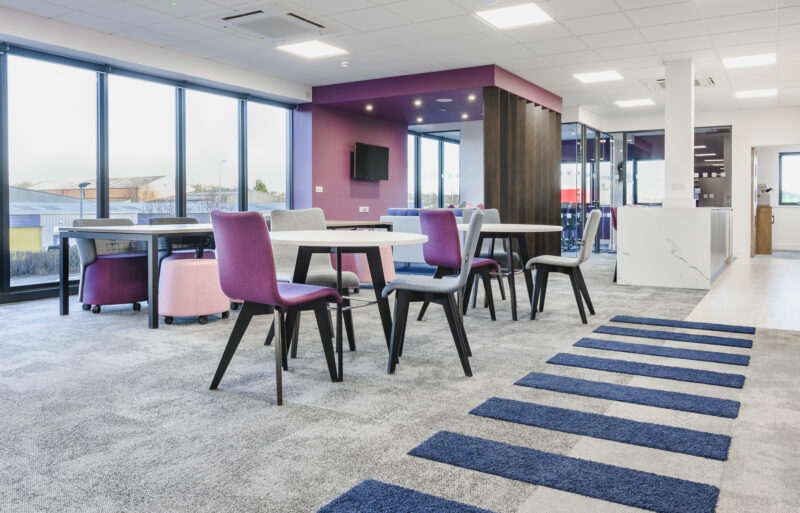
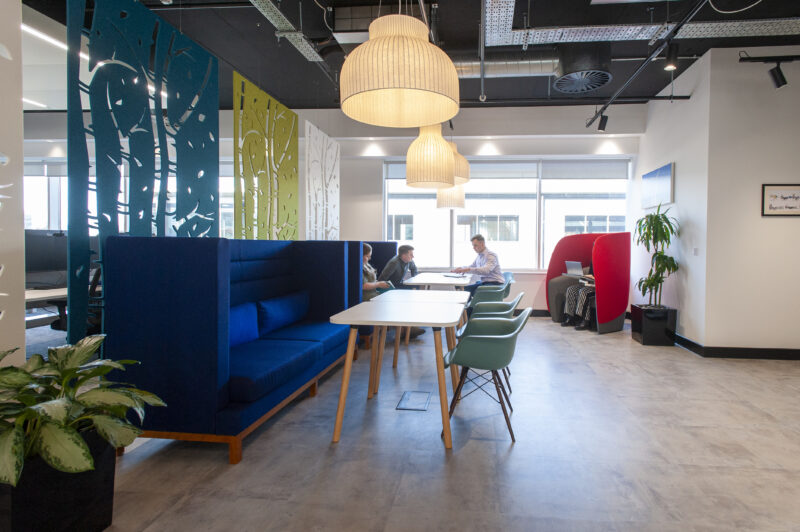
Some spaces serve different purposes throughout the day. A single zone might host a quick team check-in, then later become a quiet place for solo work. Designing office layouts with multi-use areas means teams can work in ways that suit the moment, not just the space.
Hot desking and agile workstations
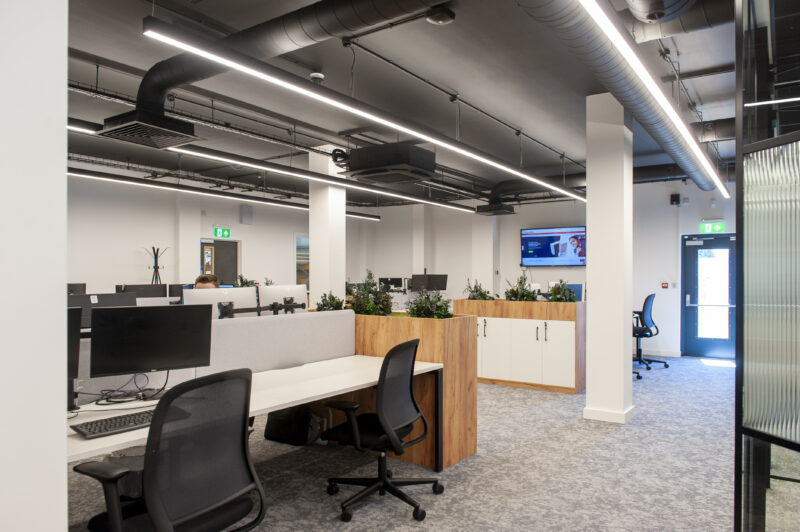
Hot desking encourages a more dynamic flow of people across the office. Team members choose where to work based on the task at hand. Agile workstations provide flexible setups that accommodate this movement, whether that’s plug-in points, monitor arms, or adjustable seating. The setup stays functional without being fixed.
Storage and tech integration
Built-in storage and tech keep the space clear and practical. Cables stay tucked away, supplies are easy to access, and shared equipment has a home. It’s about reducing friction in the workday. When tools and storage are part of the design, the space stays ready for whatever the day brings.
Benefits of Strategic Office Design for Flexibility
Improved productivity and employee satisfaction
When people can choose how and where they work, they often work better. A flexible office setup supports different work styles, allowing for deep focus, quick collaboration, or activity based work, all within the same space. That kind of autonomy can make a real difference in enhancing employee satisfaction and performance.
Better space utilisation
Strategic layouts help offices make the most of their square footage. By creating spaces that adapt to multiple uses, businesses avoid having areas that sit empty or underused. Every part of the office serves a purpose, even as those purposes change.
Easier scalability
As teams grow or shift, the space around them should keep pace. A flexible office layout makes it easier to add workstations, expand meeting zones, or reassign areas without needing major renovations. This kind of setup supports a business that’s always evolving.
Cost-efficiency in the long term
Upfront planning can reduce future spending. A flexible design reduces the need for frequent changes or expensive overhauls. It allows businesses to stretch their investment further, while still maintaining an office environment that supports current needs.
How to Start: Tips for Implementing a Flexible Layout
Consult with a workplace strategy expert
Working with a partner who understands the demands of office design makes all the difference. Cobus Spaces offers consultancy services that help businesses create spaces based on how their teams work. That insight helps avoid missteps and uncover opportunities for smarter space planning.
Conduct an employee needs assessment
Understanding what your team actually needs from their office space is a crucial step. You can make use of surveys, workshops or informal feedback to identify what’s working and what isn’t. This input should guide design choices and ensure the space truly supports your people.
Start with a pilot area or department
Rolling out flexible design across an entire office can feel overwhelming, so starting small with one team or one floor makes the process more manageable. It also provides a chance to test ideas, gather feedback, and refine the layout before wider implementation.
Measure and adapt over time
A flexible office interior is never really “finished.” As work habits change, so should the design. Checking in with teams, tracking how space is used, and making adjustments along the way keeps the office aligned with real needs.
The office is still a powerful tool for connection, focus, and culture, but only when it works for the people using it. Cobus Spaces helps businesses create flexible, future-ready offices that support wellbeing, collaboration, and long-term growth.
Whether you’re rethinking a single floor or planning an office fit out, flexibility should be part of the plan. Get in touch with Cobus Spaces to explore how strategic office design layout can support your goals.